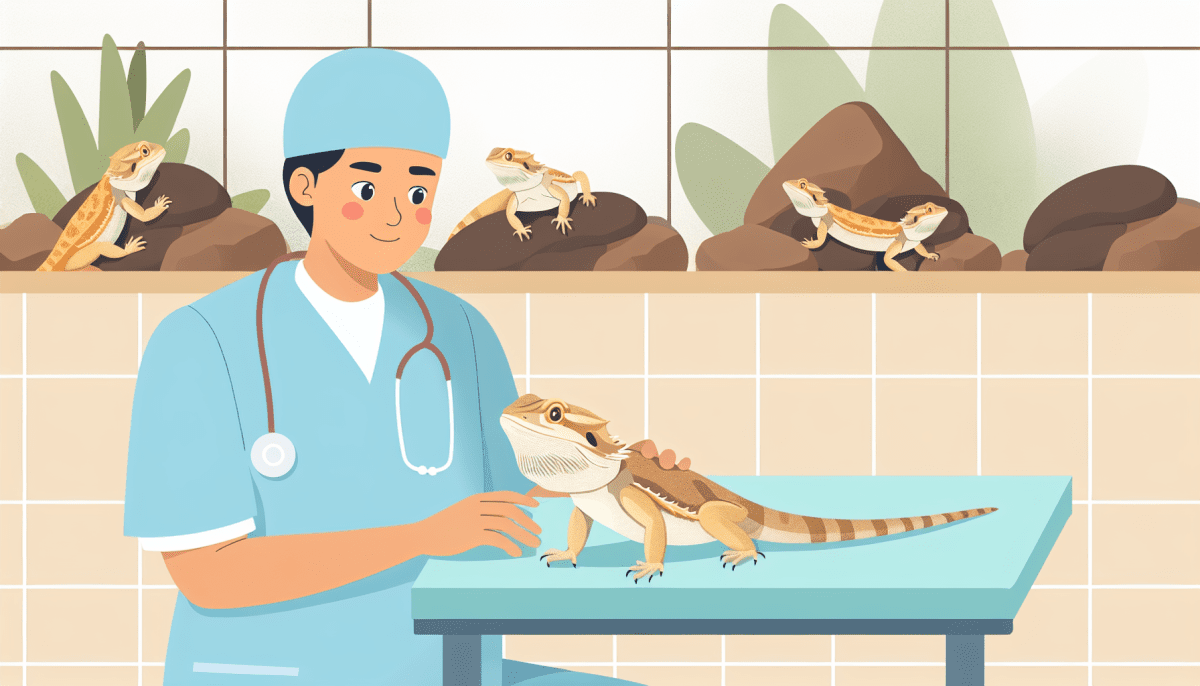
Taking care of a bearded dragon means paying close attention to their health. Recognizing when something's off can make a big difference. Here are some signs to look out for:
Add to this any signs of respiratory distress, like wheezing or difficulty breathing, and you might need to take action quickly. Regular handling can help you spot these issues early. The more you interact with your pet, the more familiar you’ll be with their normal behavior.
If you notice any of these signs or changes, it’s time to consult a vet who knows reptiles. Early intervention is key to keeping your bearded dragon healthy and happy. Keep monitoring their habits and make sure you’re prepared to act if something doesn’t seem right.
Essential First Aid Tips for Bearded Dragons
Taking care of your bearded dragon means being ready for a few bumps along the way. Emergencies can pop up unexpectedly, so having some first aid tips up your sleeve is really handy. Here are some must-know essentials!
First off, always keep your cool! If your bearded dragon seems lethargic or is losing weight, it’s time to look closer. Check for any signs of stress, like a cloudy eye or a swollen belly. In these cases, make a note of their symptoms and get them to a vet if possible. It’s better to be safe than sorry!
In the case of minor injuries, like scrapes or cuts, gently clean the area with a damp cloth. You can use a mild saline solution if you have some handy. Avoid using antiseptics that could be too harsh for their sensitive skin. After cleaning, you might want to apply a little bit of antibiotic ointment. Just make sure it’s safe for reptiles!
If your bearded dragon isn’t eating, try offering some of their favorite foods. Sometimes, a little coaxing with fruits or insects can get them interested again. If they go more than a few days without eating, that’s a red flag. Check their temperature—sometimes, they just need a little warmth to get their appetite back on track.
Finally, keep a first aid kit just for your bearded dragon! Include items like a digital thermometer, sterile gauze, and tweezers. This way, you’ll be ready for anything that comes your way. Having these tools at your fingertips can make a world of difference when you need to act fast!
Common Ailments and Their Symptoms
Taking care of a bearded dragon means being on the lookout for any signs of trouble. Just like us, they can face a few common issues. Knowing the symptoms can help you catch things early and keep your scaly buddy happy and healthy.
First up is metabolic bone disease. This happens when they don't get enough calcium or vitamin D3. Look for symptoms like shaky legs, a soft belly, or difficulty walking. If your dragon seems lethargic or hides a lot, that’s a red flag too.
Another issue to watch for is respiratory infections. Sneezing, wheezing, or any bubbling coming from their nose is a big sign something's off. If you notice your dragon gaping their mouth or not eating much, it’s time to step in.
Impaction is also common, especially if they eat substrate or something they shouldn’t. Watch for signs like lethargy, not passing stool, or swollen appearance. If your dragon seems uncomfortable or keeps trying to sit in weird positions, it's likely time to check things out.
Finally, shedding problems can happen, too. If you see retained skin or if your dragon struggles while shedding, help is needed. Keeping humidity at the right level and providing some gentle assistance can make a world of difference.
When to Call the Vet for Help
If you notice something is off with your bearded dragon, it’s better to be safe than sorry. A trip to the vet can make all the difference. Here are some signs that mean you should definitely call for help:
Don’t hesitate to reach out to a vet who knows reptiles. It’s better to have peace of mind than to wait and worry. Your bearded dragon deserves the best care!
