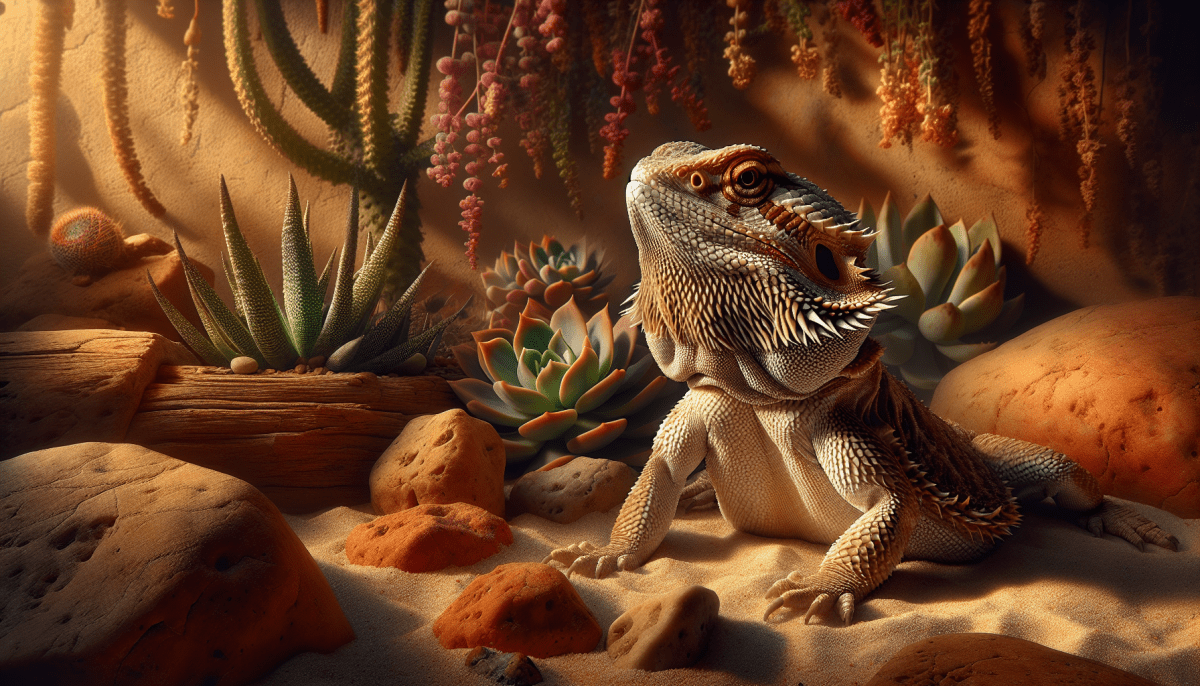
Bearded dragons have their own way of communicating, and if you take some time to watch them, you’ll start to pick up on their signals. Understanding their body language can help you bond better with your pet and spot any issues early on.
When your bearded dragon is comfortable, you’ll notice it lounging around with a relaxed body. Its eyes might be slightly closed, showing that it's at ease. If they’re basking and stretching out, they’re in their happy place. But if the beard turns dark or they puff it up, that’s a sign they’re feeling threatened or stressed. Keep an eye out for those changes; it’s their way of letting you know when something’s off.
Head bobbing is another interesting behavior. If your dragon bobs its head up and down, it could be establishing dominance or simply showing excitement. On the flip side, if it’s moving its head side to side, it might just be showing that it’s feeling a bit unsure or defensive. Pay attention to the context—are they in a new environment or around other pets? That can help you decode what they really mean.
Also, watch out for tail flicks! When a bearded dragon flicks its tail, it might be trying to get your attention or let you know they’re ready to explore. On the other hand, if they hide or bury themselves in their substrate, they're looking for a safe space. Knowing when your dragon wants to play versus when it needs some alone time makes a big difference in creating a happy habitat.
Recognizing Common Behaviors and What They Mean
Bearded dragons are like little personalities packed in scales. Understanding their behavior can help you provide the best care and bond with your pet. Let’s dive into some common actions and what they really mean.
One of the first things you might notice is when your bearded dragon flattens out. This usually happens when they're feeling warm or comfy. It’s a sign they’re soaking up the heat, which is super important for their digestion. Make sure your basking spot is just right for them. If they flatten out and get dark, it might mean they’re basking but could also signal stress, so keep an eye on their environment.
If your dragon starts to display a wave or a bob gesture, that’s their way of saying hello (or even 'I'm the boss here'). It’s their way of showing off and communicating with their surroundings. Most times, it’s harmless and part of their natural personality, but watch the context to understand if it’s playful or defensive.
When you notice them digging around in their enclosure, they're likely just exploring, trying to create a cozy spot, or sometimes they’re prepping for a nap. Just make sure they have a substrate that lets them dig safely. If they keep digging persistently, it can sometimes indicate they’re stressed or looking for a hideout.
Last but not least, if your bearded dragon goes into a defensive posture by puffing up or even hissing, that means they’re feeling threatened. Give them some space and avoid picking them up until they chill out a bit. It's their way of saying, "Hey, I need a break!" Understanding these cues can really strengthen your relationship and help keep them happy and healthy.
Tips for Creating a Comfortable Habitat
Creating a cozy home for your bearded dragon is a game-changer. They need a space that mimics their natural environment, so let’s dive into some simple tips to make their habitat comfy and welcoming.
Start with the right enclosure. A spacious terrarium gives your dragon room to roam and explore. Aim for a tank that's at least 40 gallons for one adult dragon. Give them some climbing options by adding branches or rocks. Bearded dragons love to climb, and it keeps them entertained!
Temperature control is key. Bearded dragons need a basking spot around 95 to 110°F and a cool area that's about 75 to 80°F. Investing in a good thermometer helps you keep an eye on those temps. They also need UVB lighting to absorb calcium and stay healthy, so don't skip on that!
Don't forget about hiding spots! Bearded dragons can get a bit shy, so adding caves or leafy plants offers them a secure spot to chill when they want some alone time. Just make sure any decorations are safe and won’t harm your pet.
Finally, keep the environment clean. Regularly change the substrate and remove leftovers to avoid any odor or bacteria build-up. A clean home keeps your dragon happy and healthy. With these tips, you'll create a habitat that's just right for your bearded buddy!
Signs of Health and Stress to Watch For
Keeping an eye on your bearded dragon's health is super important. They're pretty good at hiding their discomfort, so you need to know the signs. Check out these telltale signs of a happy, healthy lizard versus one that's feeling stressed.
Signs of a Healthy Bearded Dragon:
Signs of Stress or Illness:
By keeping an eye out for these signs, you can catch any issues early on. Regular checkups and a watchful eye will help ensure your bearded dragon stays healthy and happy!
