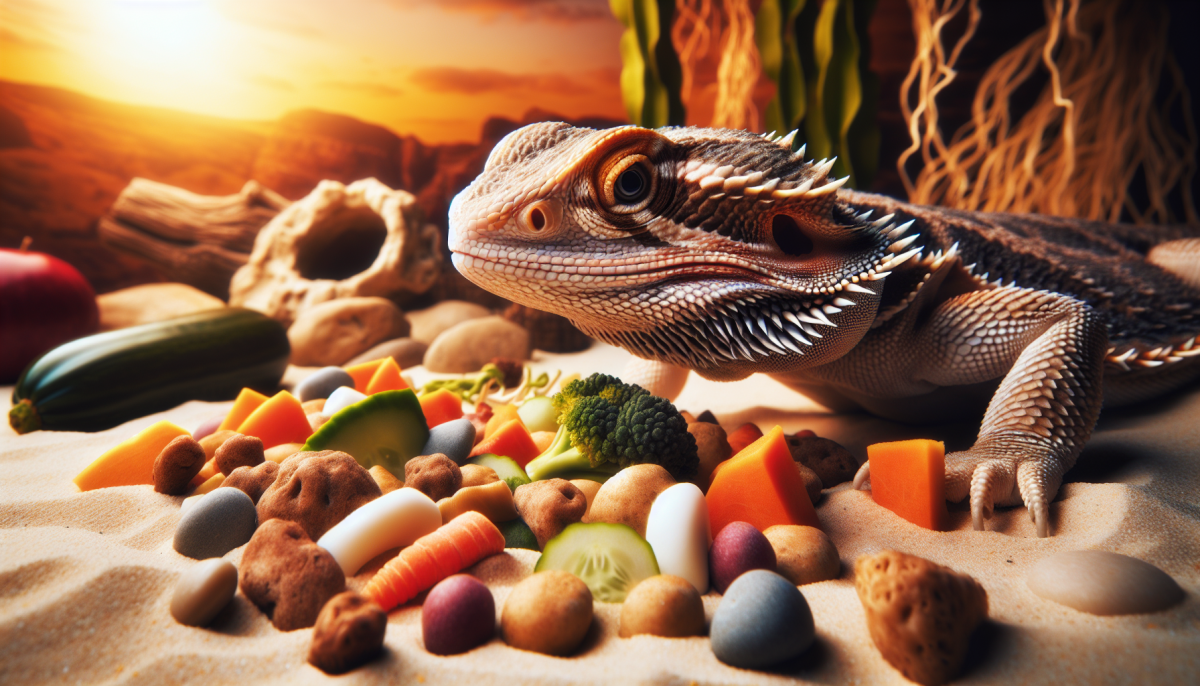
Understanding what your bearded dragon eats is key to keeping them happy and healthy. Their diet is pretty varied, but it mainly breaks down into two categories: insects and veggies. Young bearded dragons need a lot of protein, so they usually munch on crickets, mealworms, and roaches. If you have a baby or juvenile, give them insects every day.
As they grow up, their focus shifts a bit. Adult bearded dragons still enjoy insects but should also eat a good amount of leafy greens and vegetables. Think collard greens, dandelion greens, and bell peppers. You can mix it up and offer them fruits in moderation—fruits like strawberries or melons can make a great treat!
When it comes to feeding, timing matters too. Aim for about 10-15 minutes during each feeding session. Any leftovers? Remove them to keep their space clean and avoid any spoiled food. Also, sprinkle some calcium powder on their food a few times a week to keep their bones strong. It’s a simple step that really makes a difference.
One last thing to keep in mind is hydration. Bearded dragons often get their water from their food, but you can also provide a shallow water dish for them to sip from. Or you could mist them occasionally with water. Just pay attention to their behavior—they'll let you know what they need!
Best Foods for Your Bearded Dragon
When it comes to keeping your bearded dragon healthy and happy, choosing the right foods is super important. These little guys have specific dietary needs, so let's dive into some of the best options for their meals!
First up, greens are essential! Bearded dragons munch on a variety of leafy veggies, and you can't go wrong with:
These leafy delights pack in vitamins and minerals. Just chop them up a bit to make it easier for your dragon to eat.
Next, let’s talk about fruits. While they should only be a little treat, fruits can add some fun to their diet. Offer things like:
Remember to slice them into small pieces. Too much fruit can be a bit sugary, so keep it balanced!
Now, let’s not forget protein. Young bearded dragons need plenty of it to grow strong. Crickets, mealworms, and roaches are great options. Just make sure they’re dusted with calcium powder a few times a week to keep those bones healthy!
By mixing these foods, you're giving your beardie a varied diet that supports their overall health. Keep an eye on what they enjoy most, and don’t be shy to experiment a little. Your bearded dragon will thank you with happy wiggles and lots of energy!
How Often to Feed Your Dragon
Feeding your bearded dragon the right amount at the right time is super important. It keeps them healthy and happy! So, how often should you fill their bowl? It all depends on their age. Baby bearded dragons are growing fast and need food more often.
If your dragon is a little hatchling (under 3 months old), aim to feed them 3-4 times a day. They’re like tiny eating machines! Offer them small amounts of insects and some greens at each meal. This helps them get the energy they need to grow.
As they get a bit older (between 3-6 months), you can cut back to 2-3 feedings a day. They still need plenty of food, just less frequent. Mix it up with some different veggies, and continue with the yummy insects. Your dragon will appreciate the variety!
For adult bearded dragons (over 6 months), once-a-day feeding is usually enough. They still enjoy a mix of insects and leafy greens, but watch their portions. Too much food can lead to health issues.
Remember to keep an eye on your dragon’s weight and adjust their meals accordingly. If you notice they’re getting too chubby, scale back a bit. Feeding can be a fun bonding time, so enjoy it and watch your bearded dragon thrive!
Signs of a Healthy Appetite
When it comes to your bearded dragon's health, a strong appetite is a great sign. If your dragon is munching on its food regularly, it's usually a good indication that everything's running smoothly. Here are some signs to look for that show your pet's appetite is where it should be:
Watching for these signs can help you understand your bearded dragon’s needs better. If you notice your beardie is suddenly less interested in food, it might be time to check in with a vet. No need to stress, just be attentive, and your dragon will likely keep thriving.
