Feeding your baby bearded dragon might seem tricky at first, but it’s really about getting the right balance. These little guys are growing fast and need plenty of nutrients to thrive. So, let’s dive into the basics!
Your baby bearded dragon needs a mix of protein and veggies. Start with live food like crickets or mealworms as the main source of protein. Aim for about 20-50 insects per day, but size matters! Make sure the insects are no larger than the space between your dragon’s eyes. This helps with safe eating and keeps those little jaws healthy.
Don’t forget the veggies! Offer finely chopped greens like collard greens, dandelion greens, or mustard greens. Introduce a variety so your baby gets different nutrients. Just make sure to chop them small for easy munching. Young dragons love to nibble, so sprinkle in veggies daily, making it an exciting meal time!
Keep an eye on their eating habits. If your baby seems uninterested in food, it might be time to switch it up with different insects or fresh greens. And always, always provide fresh water. A shallow dish works best, so they can drink or soak if they want. Remember, keeping your baby bearded dragon well-fed is key to their health!
For those looking for Baby bearded dragon feeding tips, keep a feeding schedule. Younger dragons will eat multiple times a day, while older ones might eat once. Routine helps establish healthy eating habits. Happy feeding!
Best Foods for Growing Bearded Dragons
When it comes to feeding your baby bearded dragon, choosing the right foods is crucial for healthy growth. Baby bearded dragons need a mix of proteins and veggies to thrive. Here are some great options to make sure your little buddy gets all the nutrients they need.
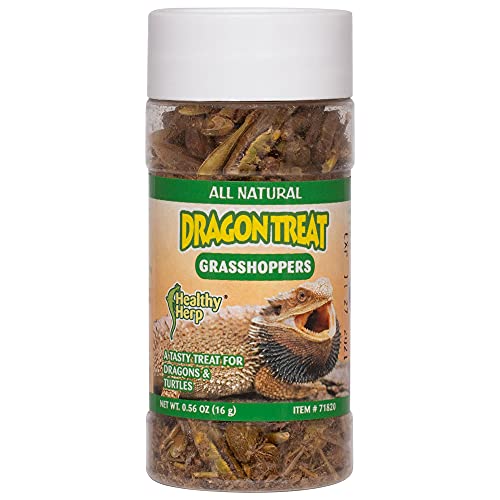
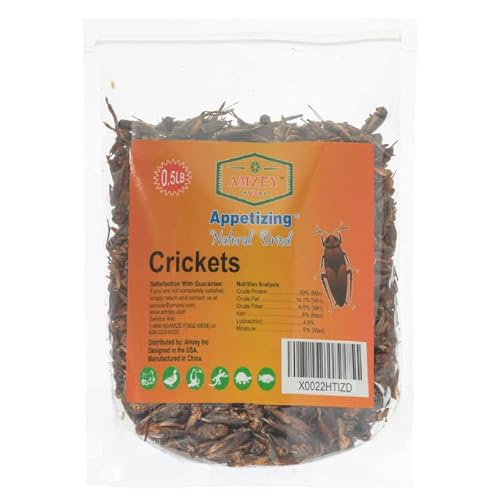
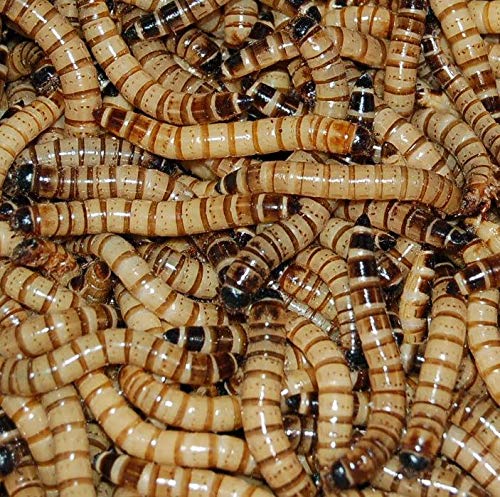
Start with protein-rich insects. Crickets and mealworms are favorites among bearded dragons. Make sure they’re small enough for your baby to eat without any trouble. You can also try dubia roaches, as they’re packed with protein and have a much better nutritional profile than some other insects. Just be sure to dust them with calcium powder a few times a week to keep their bones strong!
Don’t forget about leafy greens! Offer chopped collard greens, mustard greens, or dandelion greens. These are perfect because they provide essential vitamins. You can also throw in some chopped bell peppers and squash for a colorful plate that’s tasty and nutritious. Just remember to wash everything before serving!
Baby bearded dragons eat often, so it’s a good idea to provide food several times a day. Aim for around 3-5 insect meals and some greens at each feeding. If you notice your dragon isn’t eating, don’t panic. Sometimes they can be picky, and that’s totally normal! Just keep experimenting with different foods until you find their favorites.
Keep these baby bearded dragon feeding tips in mind, and you’ll be on your way to raising a healthy, happy dragon. Watching them grow strong and vibrant is incredibly rewarding! Just remember, variety is key, so get creative with their diet.
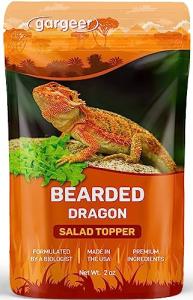
Gargeer 2oz Bearded Dragon Flower Salad Mix
A tasty and nutritious addition to your bearded dragon's diet that they'll love munching on
Product information
$16.47
Product Review Score
4.76 out of 5 stars
84 reviewsProduct links
How Often to Feed Baby Dragons
When it comes to feeding your baby bearded dragon, timing is everything. These little guys have big appetites, and they need to eat several times a day. Typically, you should feed them about 3 to 5 times daily. This helps them get all the nutrients they need to grow strong and healthy.
Start each feeding with live insects like crickets or mealworms. Make sure the insects are small enough for your baby dragon to munch on easily. If you're measuring portion sizes, aim for insects that are about the size of your dragon's head. Along with insects, add some finely chopped veggies to their diet, such as collard greens or squash. Offer the veggies once a day to keep things balanced.
Baby bearded dragon feeding tips are all about variety! Don't stick to just one type of food. Mix it up with different insects and veggies to keep things interesting for your little buddy. This will also ensure they get a wide range of nutrients. Remember to dust the insects with calcium powder a few times a week to give them that extra boost.
Keep an eye on your dragon’s appetite. If they're not eating much, it might be time to check their habitat conditions. The temperature, humidity, and lighting can all affect their hunger. Make small adjustments if needed, and try some different foods to spark their interest.

Bearded Dragon Interactive Foraging Ball Toy
Keep your bearded dragon entertained and mentally stimulated with this fun foraging ball toy!
Product information
$8.90
Product Review Score
4.33 out of 5 stars
159 reviewsProduct links
Signs Your Baby Dragon is Hungry
Not sure if your baby bearded dragon is hungry? It can be a little tricky to read their cues, but there are some clear signs to watch for. Making sure your little buddy gets enough food is important for their growth and health. Here are some signs to help you determine when it’s time to feed your dragon.
First off, keep an eye on their behavior. If your baby bearded dragon is pacing around their enclosure or seems overly active, they might be looking for food. Another big clue? If they’re staring at you or their food dish with intent, they’re probably ready for a meal. And let’s not forget about those adorable head-bobbing movements! That can signal they’re hungry and ready for some grub.
Always check their belly. If it looks flat and sunken, it might be time to fill them up. A full belly typically appears round and firm. Additionally, if your little dragon is getting a bit cranky or reclusive, that can be a sign they’re not getting enough food. For baby bearded dragon feeding tips, aim for multiple feedings throughout the day to keep their energy and spirits high.
Finally, pay attention to their eating habits. If your baby bearded dragon is not attacking their food like usual or shows less interest in feeding time, it could mean they’re not getting enough to eat. Regular meal issues can lead to bigger health concerns down the road, so don’t ignore the signs!