Juvenile Bearded Dragon Shedding can be a little surprising if you’re new to owning these cute lizards. Shedding is a natural process that helps your dragon grow and stay healthy. As your pet grows, its skin needs to change to accommodate its growing body. Understanding this process can help you provide better care for your little buddy.
Typically, a juvenile bearded dragon sheds every few weeks. The frequency can vary based on its age, diet, and environment. Younger dragons shed more often because they’re growing quickly. It's all part of the journey, and you’ll get used to it! Watch for signs like dull skin or increased basking – this often means shedding is around the corner.
When your bearded dragon is getting ready to shed, you might see some signs. The skin may look cloudy or whitish. They might even become a bit more moody, just like us when we’re not feeling our best! Be gentle during this time, as their skin can be sensitive. Providing the right humidity and a warm soaking area in their habitat can help make the shedding process smoother.
Don’t stress if you notice bits of skin lying around. It’s totally normal! Just make sure they’re eating well and staying hydrated. If your juvenile bearded dragon struggles to shed, sometimes a little help from you can go a long way. A warm soak in shallow water can help loosen stubborn skin.
Signs Your Dragon Is Shedding
Shedding is a normal part of your bearded dragon's growth, especially during their juvenile phase. When your juvenile bearded dragon is shedding, there are some signs to keep an eye out for, so you know what's going on with your little buddy.
One of the first things you might notice is a change in their skin color. If your juvenile bearded dragon appears dull or starts to look a bit cloudy, that's a good indication they're getting ready to shed. They might also start to act a little cranky or more reclusive than usual. This happens because shedding can be a bit uncomfortable, and they might just want to chill out in their hide.
Another sign is the appearance of flaky or peeling skin. You might see patches of skin lifting off as the old layer comes off. Monitor the areas around the eyes and toes because they're common spots for shedding. If they seem to be having a tough time getting the loose skin off, you might need to help them out with a gentle soak in warm water.
You'll want to check for any retained shed as well. If there are spots of old skin stuck on the toes or tail, you might need to assist in removing it. Providing a good humidity level and a soaking option can make this easier for them.
Keep an eye on their eating habits too. Sometimes when they're shedding, they may eat less, but don’t worry too much unless it goes on for more than a few days. If your juvenile bearded dragon is shedding, just remember to give them extra care and attention during this time. They're going through a lot, and a little extra love will go a long way!
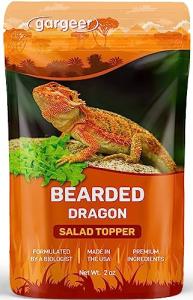
Gargeer 2oz Bearded Dragon Flower Salad Mix
A tasty and nutritious addition to your bearded dragon's diet that they'll love munching on
Product information
$16.47
Product Review Score
4.76 out of 5 stars
84 reviewsProduct links
Best Care Tips for Shedding
Shedding is a natural part of a juvenile bearded dragon's life. It might seem a bit strange at first, but it’s normal. Here are some handy tips to help your little guy through the process.
First off, keep the humidity right. A bit of moisture can help your bearded dragon shed more easily. Aim for humidity levels around 30-40%. You can achieve this by using a water dish or even lightly misting their enclosure once in a while. Just don't go overboard and turn it into a swamp!
Next, provide some rough surfaces. Bearded dragons like to rub against things to help shed their skin. Adding a flat rock, a piece of bark, or even a reptile-safe branch can give them the perfect scratching post. Just make sure these items are clean and safe for your dragon.
Don’t forget about their diet! A balanced diet keeps your juvenile bearded dragon healthy, which contributes to smooth shedding. Include a mix of leafy greens, insects, and maybe some fruits for variety. Hydration is key too, so fresh water should always be available.
Lastly, keep an eye on your bearded dragon. If you notice areas where the shedding isn't going well, you can gently soak them in lukewarm water for a few minutes. This can help loosen stubborn skin. Just stay vigilant and if you see any signs of trouble, like retained shed or irritation, it might be time to consult a vet.
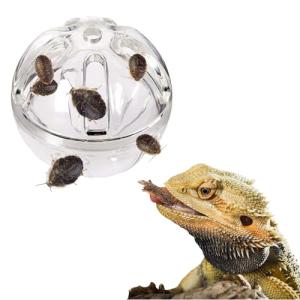
Bearded Dragon Interactive Foraging Ball Toy
Keep your bearded dragon entertained and mentally stimulated with this fun foraging ball toy!
Product information
$8.90
Product Review Score
4.33 out of 5 stars
159 reviewsProduct links
Common Shedding Issues to Watch For
Shedding is a normal and vital part of a juvenile bearded dragon's growth. But sometimes, things can go a bit sideways. Here are some common shedding issues you might encounter and what to look out for.
First off, keep an eye out for incomplete sheds. This happens when some skin doesn’t come off properly, which can lead to discomfort or even health problems. If you notice patches of old skin lingering, it’s a good idea to give your little one a hand. You can gently mist them with water or provide a warm soak to help loosen that stubborn skin. Just make sure not to force it off!
Another issue is shedding too frequently or not often enough. Juvenile bearded dragons grow quickly and usually shed every few weeks. But if you see signs of shedding happening too often, it might be a sign of stress or improper conditions. On the other hand, if they’re not shedding enough, it could indicate dehydration. Keep their habitat humidity in check to encourage healthy shedding.
Lastly, watch for retention around the toes and tail. Old skin can constrict circulation and lead to serious problems. If you see any signs of this, it’s time to act. A warm soak can help, or you might want to consult a vet for advice on how to safely remove the retained skin.
Taking proactive steps during juvenile bearded dragon shedding can make a big difference. Staying attentive to these issues ensures your pet stays happy and healthy while they grow.