Bearded dragon mouth rot dental disease is a serious issue that you shouldn't ignore. It's like a nasty infection that can affect the gums and mouth of your scaly friend. If you notice your bearded dragon has swollen gums, bad breath, or refuses to eat, it’s time to dig a little deeper. These signs often point to mouth rot, and getting ahead of it is crucial for your pet’s health.
This dental disease usually comes from poor husbandry or an unhealthy diet. For instance, if your bearded dragon is munching on sugary fruits too often, it can contribute to mouth rot. Sugary diets can lead to bacterial growth, which wreaks havoc on your dragon’s mouth. Keep an eye on what you’re feeding your pet and stick to a balanced diet that’s heavy on greens and insects.
Regular check-ups are key to catching bearded dragon mouth rot dental disease early. During these visits, your vet can spot issues before they escalate. Don’t wait for signs of pain or distress. Keeping tabs on your bearded dragon’s oral health ensures they stay lively and happy.
If you notice any signs of mouth rot, it’s best to consult a vet immediately. They can prescribe treatments like antibiotics or mouth rinses that can help your dragon heal. Remember, early intervention is the best way to keep your pet safe and sound. Your bearded dragon counts on you to keep them healthy!
Signs of Dental Disease in Bearded Dragons
Just like us, bearded dragons can face dental problems, and dental disease can lead to some serious issues if you don’t catch it early. One of the biggest red flags is a droopy mouth. If your bearded dragon's jaw hangs a bit or seems weak, it’s time to pay attention. This isn’t just a quirky behavior; it often indicates pain or discomfort, which could mean they’re dealing with bearded dragon mouth rot dental disease.
Another sign is if your dragon is having trouble eating. If they’re refusing food or seem reluctant to open their mouth, that’s not normal dragon behavior. You want to see them chomping down on their favorites! Swelling around the mouth or gums can also point to dental disease. If it looks puffed up or inflamed, it might be time for a vet visit.
Keep an eye out for any unusual drooling or excessive saliva. While a little drool can happen, a lot of it is a clear indicator something's off. And if you notice any weird discoloration in their gums or teeth, that’s another sign to take seriously. Healthy gums should be a nice pink color, and teeth should be white without any visible decay.
Lastly, monitor their behavior. An irritable or agitated bearded dragon could be dealing with discomfort from dental issues. If they become less active or seem to be hiding more than usual, take that as a cue to check in on their dental health. Be proactive when it comes to your pet's health; spotting signs of bearded dragon mouth rot dental disease early can make all the difference!
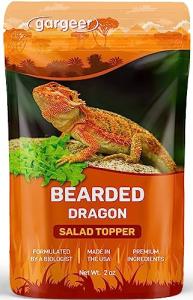
Gargeer 2oz Bearded Dragon Flower Salad Mix
A tasty and nutritious addition to your bearded dragon's diet that they'll love munching on
Product information
$16.47
Product Review Score
4.76 out of 5 stars
84 reviewsProduct links
Impact of Fruit Sugar on Health
When it comes to taking care of your bearded dragon, their diet plays a huge role in their overall health. Many owners love to treat their pets with fruits, thinking it’s a fun and healthy snack. But here’s the catch: fruits contain natural sugars. While sugar can give a quick energy boost, it can also have a sneaky side effect on your bearded dragon’s health, especially when it comes to issues like bearded dragon mouth rot dental disease.
Excess sugar can lead to a variety of health problems in reptiles. It might seem harmless, but too much fruit can upset their digestive system and may even encourage harmful bacteria to grow in their mouths. This can make your bearded dragon more susceptible to infections and dental diseases, including the dreaded bearded dragon mouth rot dental disease. When their oral health is compromised, it’s an uphill battle to get them back on track.
It’s important to find a balance. Fresh fruits can offer some vitamins and hydration but should only be a small part of your bearded dragon’s menu. Think of fruits as a treat, not a staple. Focus on feeding them leafy greens and veggies that have lower sugar content. A well-rounded diet helps keep their teeth and gums healthy and can prevent mouth rot from becoming a problem.
Pay attention to how your bearded dragon reacts to different foods. If you notice any signs of mouth rot, like swelling or difficulty eating, take it seriously. And remember, while fruits can be a tasty snack, prioritizing lower-sugar options will go a long way in keeping those smiles bright and healthy! Your dragon will appreciate it, and you’ll avoid any nasty surprises down the line.

Bearded Dragon Leash and Harness Set with Sling Bag
Keep your bearded dragon safe and stylish while exploring together with this comfy leash and harness set
Product information
$16.99
Product Review Score
4.95 out of 5 stars
8 reviewsProduct links
Treatment Options for Mouth Rot
If your bearded dragon shows signs of mouth rot, you need to act quickly. This common issue, known as bearded dragon mouth rot dental disease, can lead to serious health problems if left untreated. Here are some effective treatment options to consider.
First off, a vet visit is a must. A qualified reptile vet can confirm the diagnosis and check the severity of the disease. They'll likely suggest a cleaning of the affected area. They might also prescribe antibiotics to handle any infections. Remember, you want your scaly buddy to feel better fast!
At home, you can help by maintaining a clean environment. Make sure your bearded dragon's habitat is spotless. Replace old food and clean up any waste. A clean space can help prevent further issues and make it easier for your dragon to heal.
Hydration is crucial too. Provide fresh water daily. Sometimes, a little extra hydration helps flush out toxins and can speed up healing. You might also consider offering soft foods that are easy to eat while their mouth is sore. Fresh, finely chopped veggies and fruits can make mealtime enjoyable without causing pain.
Lastly, keep an eye on their health. Monitor their eating habits and behavior. If things don’t improve or worsen, don’t hesitate to reach out to your vet again. Remember, your bearded dragon's health is your top priority, and proper care is key to kicking bearded dragon mouth rot dental disease to the curb!