Yellow Fungus Disease can be a real concern for your bearded dragon, especially when it comes to the soil they live in. If you’re using substrates that can hold moisture or promote the growth of mold, you might be putting your pet at risk. This disease mainly affects older dragons or those with weakened immune systems, so it’s crucial to keep their environment clean and dry.
One of the biggest issues is the type of soil. Forested or damp loamy soils are a breeding ground for the fungi that cause Yellow Fungus Disease in bearded dragons. It’s best to steer clear of these and use safer options like paper towels or sand that doesn’t retain too much moisture. Keeping it simple can really reduce the risk.
Regular maintenance of the habitat is key. Make sure to wipe down surfaces and change the substrate often. A quick cleanup can do wonders for preventing fungal outbreaks. If you spot any signs of illness, like swelling or strange yellow patches on your bearded dragon, act fast. Early detection can help you nip this in the bud before it becomes a bigger problem.
In the end, staying informed and keeping your bearded dragon's living space dry will make a huge difference. Pay attention to the quality of soil you use and how often you clean the habitat. With some simple steps, you can help protect your scaly buddy from Yellow Fungus Disease bearded dragons. Your pet will thank you for it!
Identifying Signs in Bearded Dragons
When you're keeping a bearded dragon, it’s super important to watch for any signs of illness, especially with concerns like Yellow Fungus Disease Bearded Dragon. This condition can sneak up on you, and knowing what to look for can make a big difference in your pet’s health.
One of the first signs to notice is usually a change in your lizard's skin. If you spot yellow, flaky patches or a swollen appearance, that’s a red flag. These symptoms are often accompanied by lethargy. If your bearded dragon seems less active than usual or just isn’t basking like they normally do, pay close attention.
Another sign comes from their eating habits. If your bearded dragon suddenly losses interest in food or starts eating less, it’s time for a check-up. Weight loss is also a key indicator. A healthy beardie should maintain a good weight, and any sudden drop might signal a problem.
Lastly, keep an eye on their behavior. If they become more aggressive or simply act differently, it might be worth investigating. Stress can lead to health issues, so understanding your dragon's usual behavior helps identify any sudden shifts.
Taking these signs seriously can help you catch issues like Yellow Fungus Disease Bearded Dragon early on, ensuring your scaly friend stays happy and healthy.
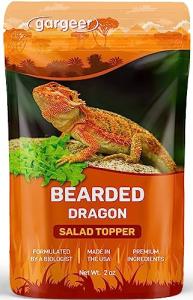
Gargeer 2oz Bearded Dragon Flower Salad Mix
A tasty and nutritious addition to your bearded dragon's diet that they'll love munching on
Product information
$16.47
Product Review Score
4.76 out of 5 stars
84 reviewsProduct links
Safe Soil Choices for Your Pet
Choosing the right soil for your bearded dragon is super important, especially when it comes to preventing issues like Yellow Fungus Disease Bearded Dragon. You want something that’s safe and comfortable for your scaly friend, but also manages to keep the environment clean and healthy.
Avoid using any soil that contains chemicals or pesticides. These can create a toxic environment for your pet. Instead, look for natural substrates like coconut coir or organic potting soil. They provide a great base without the added nasties, and bearded dragons actually seem to enjoy digging around in them.
Another option is sand, but make sure it’s specifically made for reptiles. Some sands can cause impaction if ingested, which can lead to serious health issues. You can mix sand with other safe substrates to create a nice, earthy texture that helps mimic their natural habitat.
Keep in mind that cleanliness is key! Try to replace the soil regularly to keep bacteria and mold at bay. This will help you fight off potential threats like Yellow Fungus Disease Bearded Dragon. The last thing you want is to create a breeding ground for harmful organisms.
Lastly, consider adding some safe, clean decor and hiding spots. Not only does this give your bearded dragon a more natural environment, but it also reduces stress. A happy dragon is a healthy dragon, and that’s what we’re all aiming for!

Bearded Dragon Interactive Foraging Ball Toy
Keep your bearded dragon entertained and mentally stimulated with this fun foraging ball toy!
Product information
$8.90
Product Review Score
4.33 out of 5 stars
159 reviewsProduct links
Preventing Yellow Fungus in the Habitat
Preventing Yellow Fungus Disease Bearded Dragon takes some effort, but it's totally worth it for your scaly buddy's health. Keeping their habitat clean and dry is key. Start by choosing the right substrate. Sand and loose bedding can trap moisture, so go for solid options like tile or paper towels. These materials not only help with cleanliness but also make it easier to spot any signs of trouble quickly.
Next, make sure your bearded dragon's enclosure has good ventilation. Stale air and humidity can really worsen the risk of Yellow Fungus Disease Bearded Dragon. Regularly check the humidity levels and aim to keep them between 30% and 40%. A small hygrometer can help you keep track of this. If you notice high humidity, consider using a fan or a dehumidifier to help out.
Routine cleaning is a must. Take the time to remove uneaten food, shed skin, and any waste daily. Once a week, give the whole habitat a good scrub down with reptile-safe disinfectant. This not only helps keep things fresh but also minimizes the chance of bacteria and fungus building up. Making this part of your routine will keep your bearded dragon happier and healthier.
Lastly, monitor your dragon’s health closely. Changes in behavior or appearance can be early signs of Yellow Fungus Disease Bearded Dragon. If you spot any unusual swelling or discoloration, don't wait. Reach out to your vet for advice. Early action can make all the difference in keeping your pet safe and sound.